Neatly installed loft insulation in a London home

Loft insulation is one of those home improvements that is easy to ignore because it sits out of sight. You do not walk past it every day like a front door, and you do not notice it in the same way you notice a leaking gutter or a slipped tile. Still, for many London homes, the loft is where a surprising amount of comfort and energy efficiency is either protected or lost.

A well-insulated loft helps keep warm air inside the rooms below, reduces the pressure on the heating system, and can make the whole house feel more settled through the colder months. It is not only about adding insulation and calling the job done, though. The roof, ventilation, moisture levels and access around the loft all matter if you want the work to last.
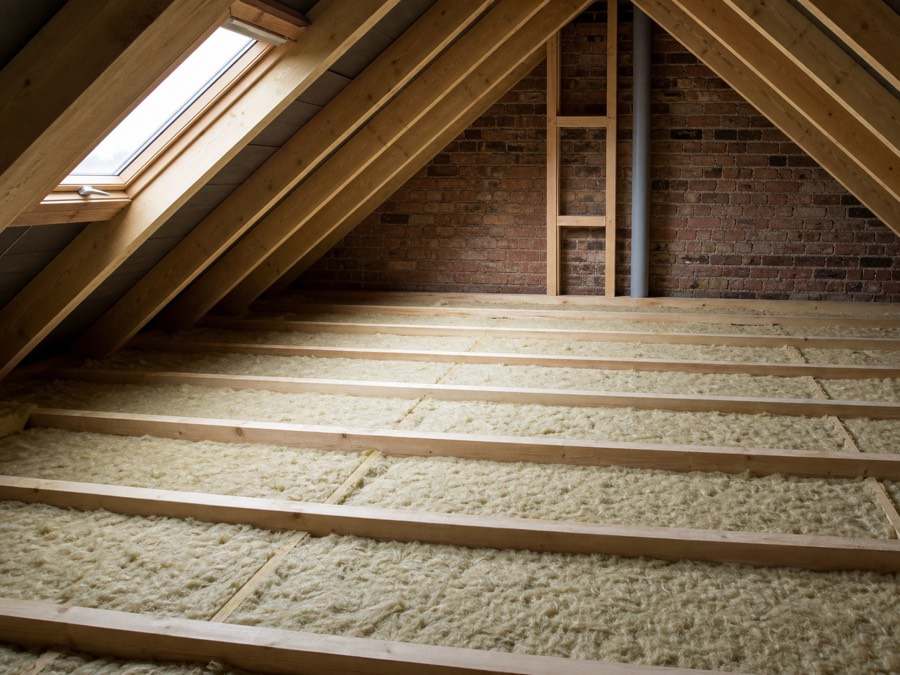
Neatly installed loft insulation in a London home

Heat Loss Starts at the Top

Warm air rises, which means an uninsulated or poorly insulated loft can let heat escape through the top of the house. In practical terms, that can leave bedrooms feeling colder, make the heating run for longer, and create rooms that never quite feel comfortable even when the radiators are on.

Good loft insulation works like a steady barrier. It slows heat movement, keeps the warmth where people actually live, and helps the home hold a more even temperature. For older London properties, especially houses with draughty roof spaces or patchy insulation, the difference can be noticeable.

The Roof Should Be Checked First

Before improving a loft, it is worth making sure the roof above it is sound. Insulation will not solve a leaking roof, cracked flashing or blocked guttering. In fact, if water is already getting in, new insulation can hide the problem for a while and then become damp, heavy and less effective.
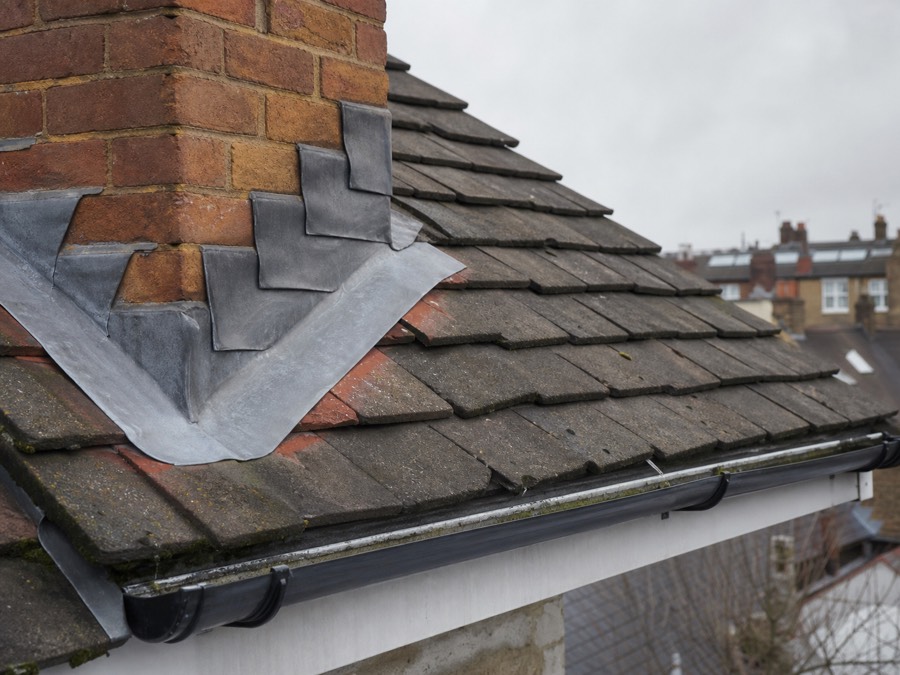
Roof tiles, chimney flashing and guttering on a London home

Tiles, flashing, valleys, chimneys and gutters all deserve a look. Small defects are often easier to deal with before the loft is full of fresh insulation. A dry, well-maintained roof gives the insulation a better chance of doing its job properly for years rather than months.

Ventilation Still Matters

It is natural to think that insulation means sealing everything up as tightly as possible, but a roof space still needs to breathe. Without enough airflow, moisture can build up in the loft. Over time, that can lead to condensation, musty smells, mould on timbers and insulation that no longer performs as it should.

The goal is balance: keep heat inside the living areas while allowing the roof space to stay dry and ventilated. That may mean checking existing vents, avoiding blocked eaves and making sure insulation is fitted neatly rather than pushed into every gap without thought.

Loft Rooms Need Extra Care

If the loft has been converted into a room, insulation becomes even more important. Sloped ceilings, roof windows and awkward corners can all create cold spots if they are not detailed properly. A finished loft should feel comfortable in winter without becoming stuffy or damp.

Warm finished loft room in a London home

This is where workmanship makes a real difference. Insulation needs to sit where it should, gaps should be treated carefully, and roof ventilation should not be sacrificed for a quick finish. A loft room that is warm, dry and usable is usually the result of several details working together.

A Practical Upgrade for Everyday Comfort

Loft insulation may not be the most visible improvement, but it can be one of the most sensible. It helps reduce wasted heat, supports better energy efficiency, and makes the home feel calmer through cold weather. When it is paired with a roof that is in good condition and ventilation that has been properly considered, it becomes a quiet upgrade that pays back every day.

For London homeowners, the best starting point is simple: check the roof, look at the current insulation, and deal with any signs of damp or damage before adding more material. That way, the loft is not just covered. It is properly looked after.
The Importance of the Roof Underlayment

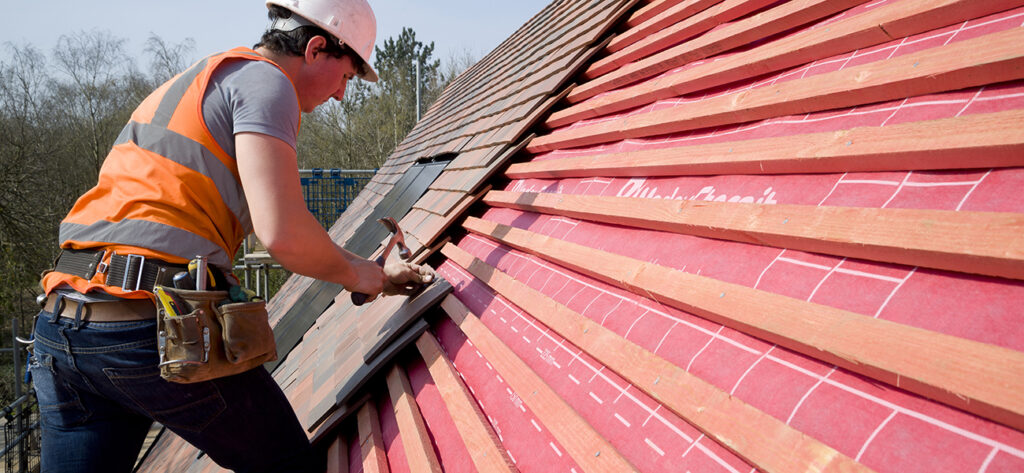
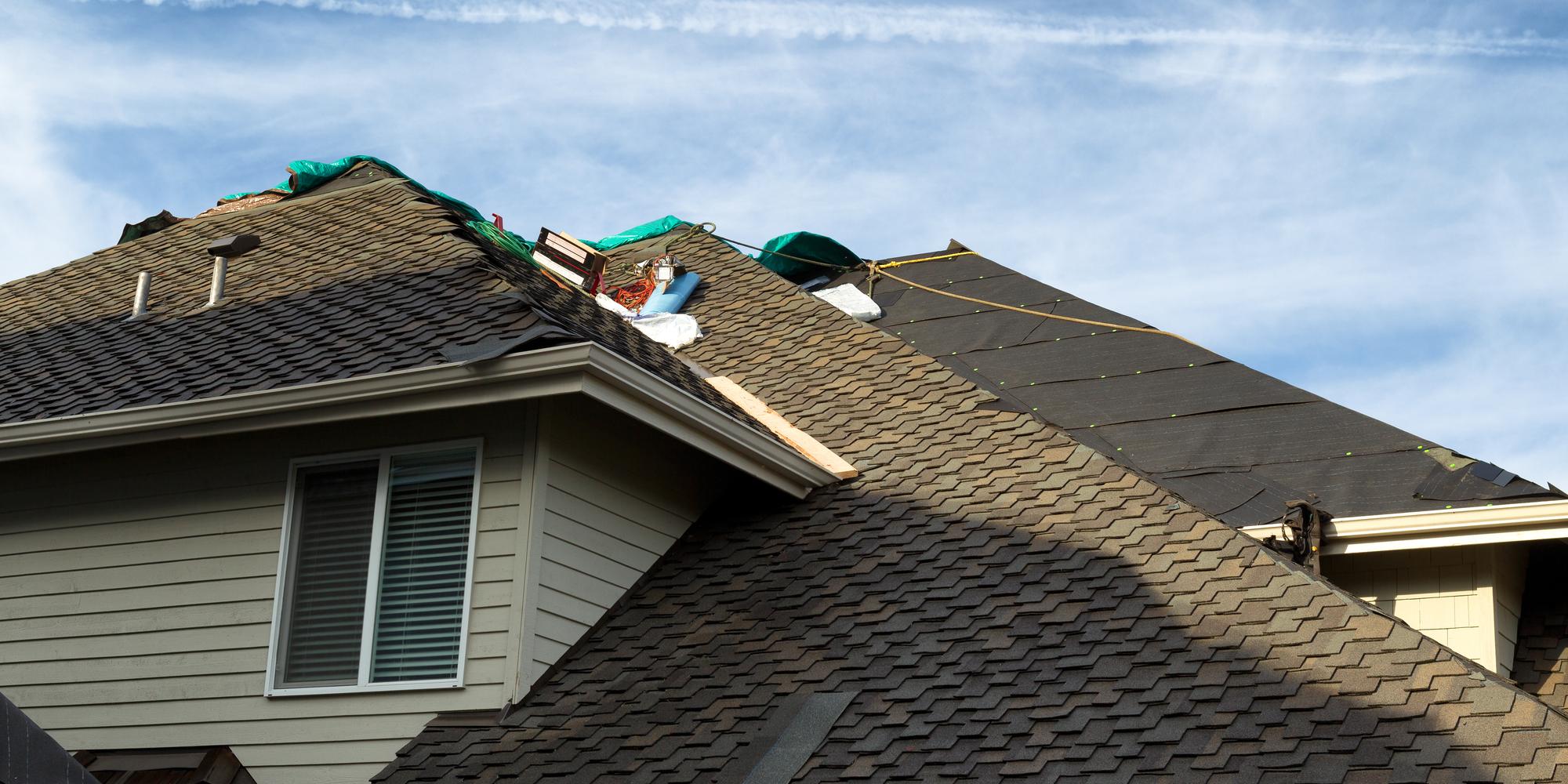
For a lot of homeowners, the roof is exactly what they see: the shingles, gutters and perhaps the flashing strips. Many are not aware that there’s more to the roof than what’s on the outside. One of those concealed parts is the underlayment. The roofing underlayment is a concealed but essential section of the roof which takes on a vital role in the general health and stability of the whole structure.

The Underlayment

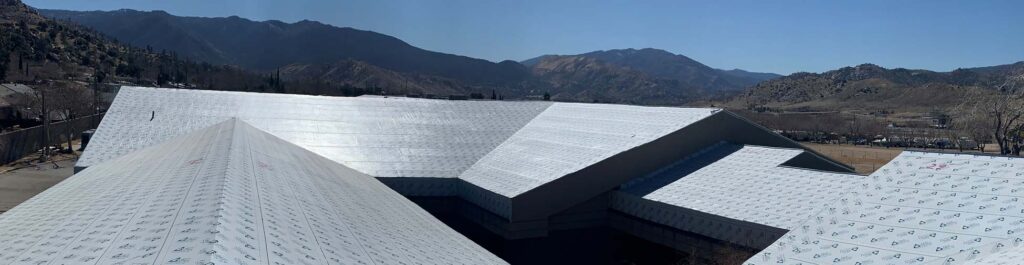
The underlayment is a water-resistant or waterproof buffer material which, as its label implies, is installed under the rest of the roofing materials. Its primary part is to function as an extra layer of defense against the weather, particularly water damage. Consider it as the final barrier which a leak should overcome right after it has been through everything else.

Types of Underlayment

Whenever it’s time to schedule roof replacement in your old roof, you’ll also have to change the underlayment. You’ve got 3 choices for underlayment: asphalt saturated, synthetic as well as rubberized asphalt underlayment.

Asphalt saturated is perhaps the oldest of the underlayment types and was the essential type till the arrival of the synthetic materials. Regardless of its lack of popularity, it’s still a dependable and strong underlayment having natural strength as well as water resistance. It’s also easily available, which makes it the most cost-effective of the three.

Non-bitumen synthetic underlayments changed the last underlayment style and it is now the most frequently utilized type for both commercial and residential roofs. You can imagine it as the direct update coming from asphalt saturated, due to its better water resistance and sturdiness. It’s also made so that it could be completely applied to the whole roof.

Lastly, there’s rubberized asphalt that is widely regarded as a premium underlayment material. It offers all of the advantages of asphalt-saturated as well as non-bitumen synthetic, however is also entirely waterproof as it has more asphalt and rubber polymer content.

Why is the roof underlayment so important?

The roof underlayment is a vital portion of your roofing system, even when it is not seen in the naked eye. The moment you think of your roof, shingles are probably to be the one thing which goes to your mind. However an underlayment is needed in order to protect your house coming from water damage. The roof underlayment is often a sheet of felt or synthetic material spread around the roof’s plywood deck prior to the shingles are installed.

The underlayment is an extra coating of protection and it is made to prevent rain and moisture from permeating the deck, that could lead to attic leaks and wood rot. However the underlayment doesn’t simply defend the deck coming from water, this also defends the wood from chemicals from the shingles. Heat coming from the sun’s rays could make shingles almost melt into the wood in case there isn’t underlayment place in between, leading to costly repairs. One more reason why underlayment is important is that, in case of shingles flying off the roof, your roof deck isn’t exposed right away. The underlayment will help protect the wood till you could install the lost roofing shingles.

For a few years, roofers and contractors utilized generally felt for roof installations however in modern days synthetic underlayment is utilized by the majority of roofing contractors. Synthetic underlayment is slimmer and lighter compared to felt, and far less difficult to install. It’s also considered to be more effective in stopping water leakage, however it’s more costly. Even so, due to its chemical make-up, it endures longer compared to felt so homeowners will see a greater return on investment.