Top 5 Things to Consider When Choosing a Metal Roof Color

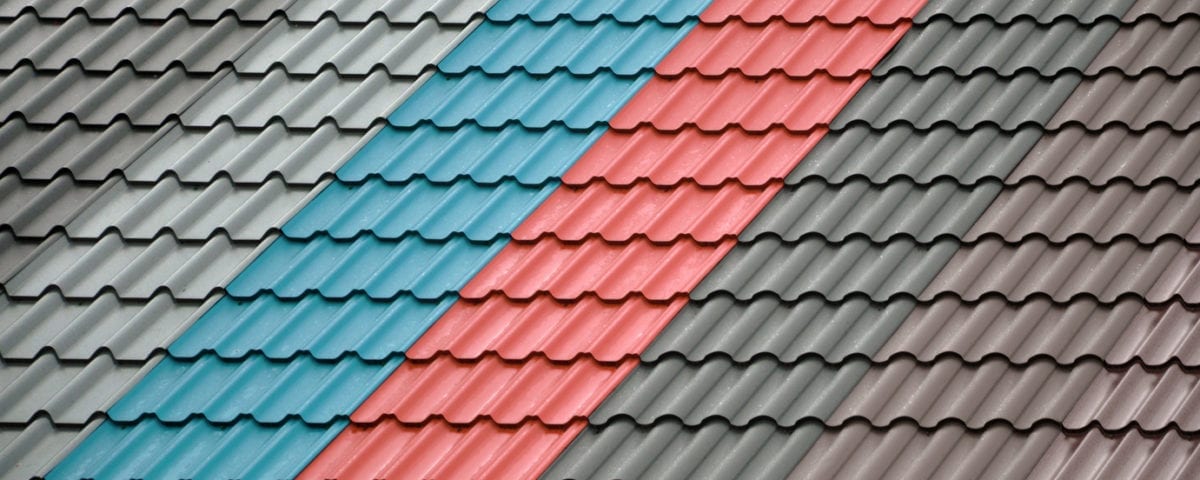
A right roof may improve a home’s curb appeal while also providing years of low-maintenance protection. That said, one of the common choices today is metal roofing. However, residential metal roofing comes in a wide variety of colors, styles, and designs.

As such, after deciding to use metal as a roofing material on one’s house, then comes the toughest question that most buyers face: which is the best colour for the metal roof? Here are the top 5 things to consider.

1. The House’s Style and Architecture
The House's Style and Architecture - Top 5 Things to Consider When Choosing a Metal Roof Color

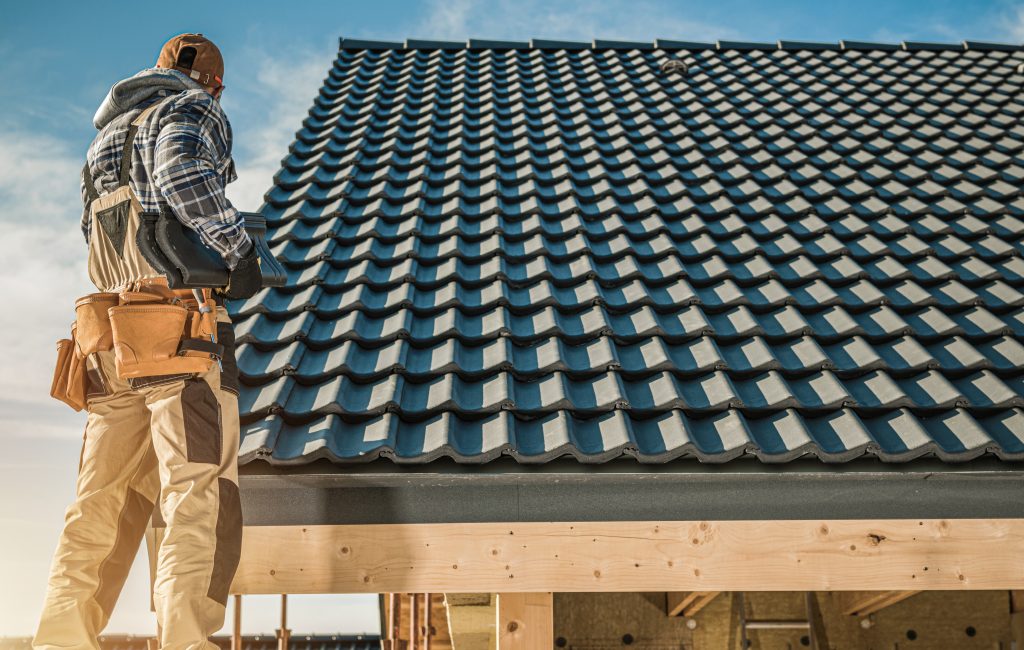
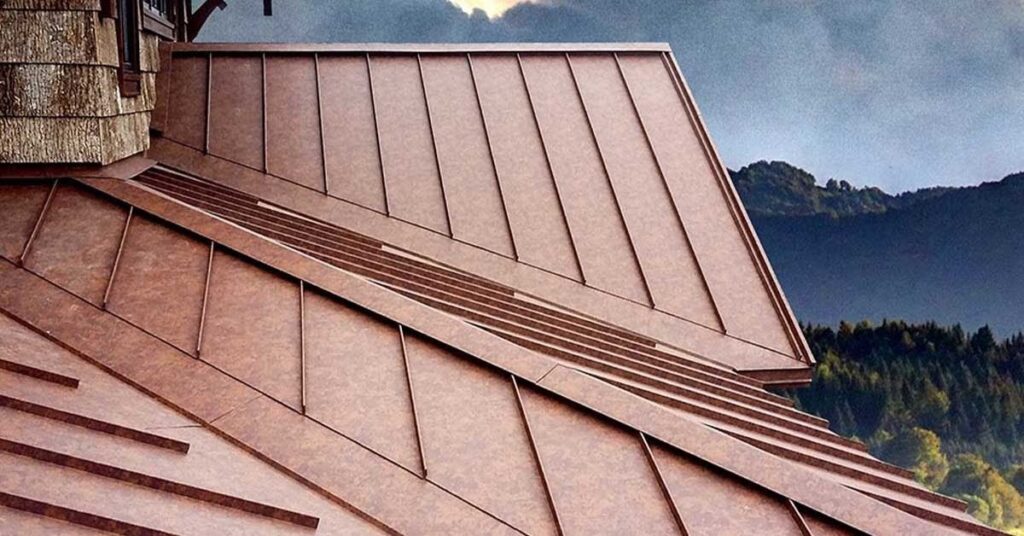
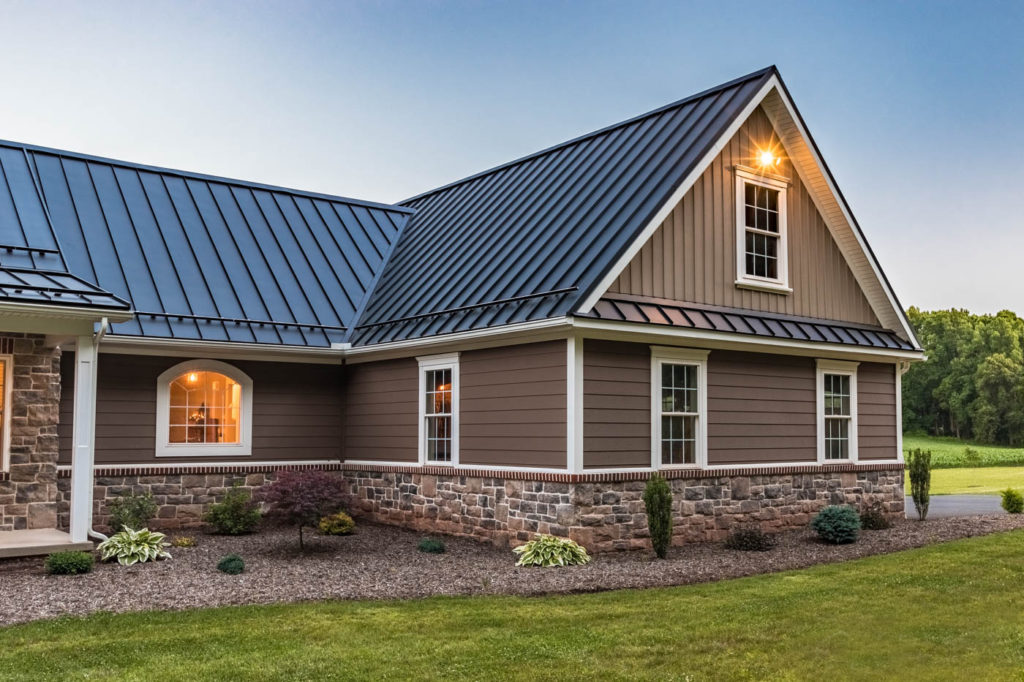
The color of the metal roof one chooses should complement a home’s overall design. Dark hues would fit a modern dwelling, whereas earthy red tones would complement a historic farmhouse. On the other hand, contemporary homes with unique architecture would look better with bold shades that mirror the type of decor and interior design. Simply put, having a single guiding theme will bring unity to the entire house, landscape, and interior.

2. Quality of the Paint Finish
Quality of the Paint Finish - Top 5 Things to Consider When Choosing a Metal Roof Color

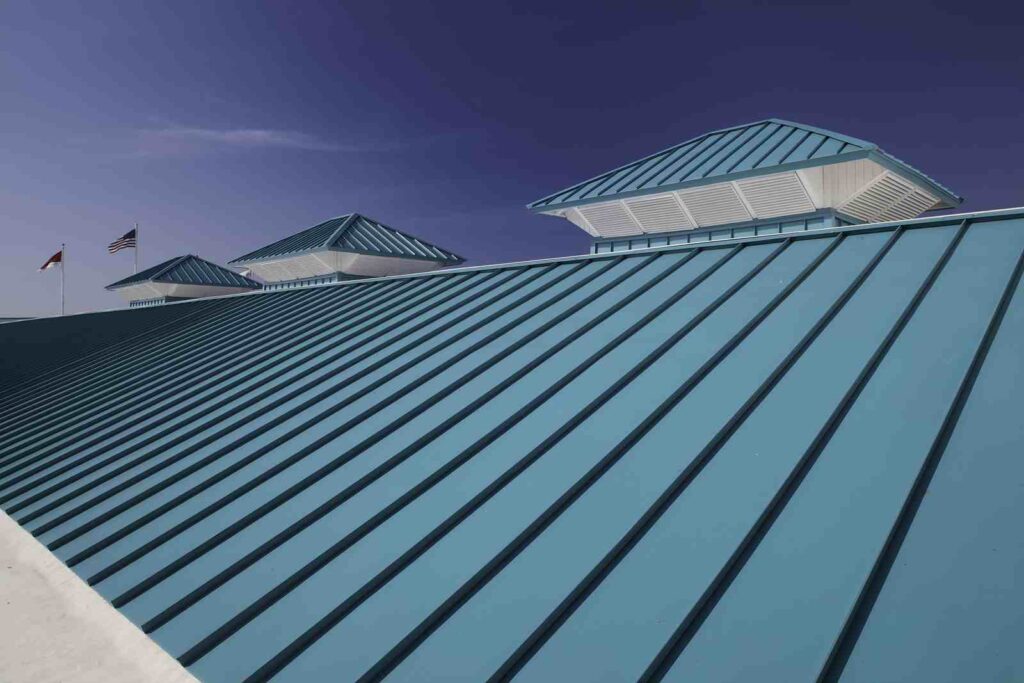
A roof will be more resistant to severe weather conditions with a high-quality paint finish. It will also aid in the maintenance of your roof’s beautiful looks. It is, therefore, a wise idea to invest in good paint that can survive the environment and keep a roof looking new for years.

With that in mind, choose a paint that has been coated with a unique acrylic resin that protects against damaging UV radiation. With such protection, issues like water infiltration, rust, corrosion, peeling, and early fading will all be prevented. Note that there are many other different types of coatings and sealants that can be put on the roof to give an extra layer of protection against sunshine, mildew, and moisture.

3. Existing Exterior Components
Existing Exterior Components - Top 5 Things to Consider When Choosing a Metal Roof Color

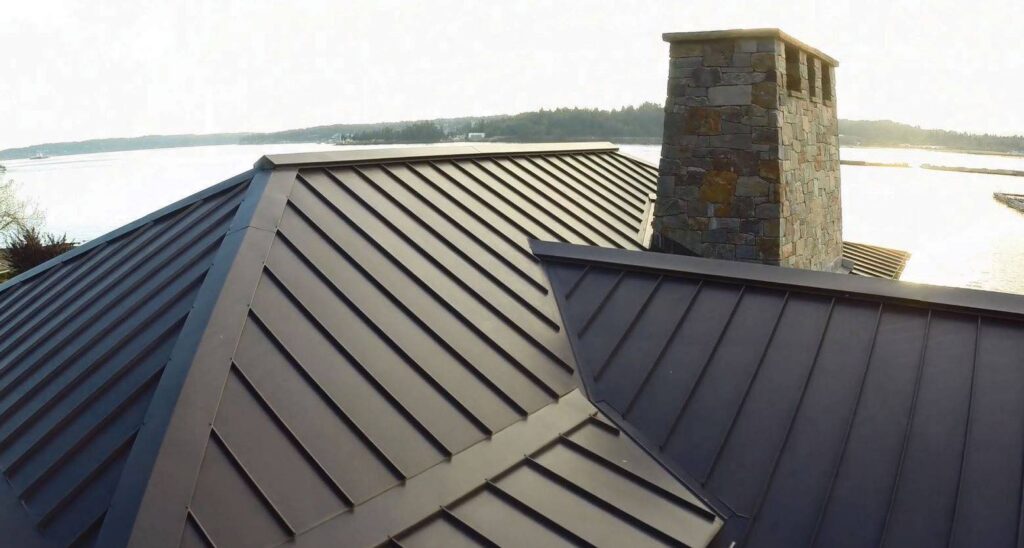
Unless the new roof is part of a complete exterior remodeling project, homeowners must ensure that the color of the roof matches the color of existing exterior elements. This is especially crucial if the residence has permanent features such as brick or stone facades, which will likely outlast the roof.

Siding is particularly an important aspect of a home’s exterior. As such, the roof color should complement the siding. Besides this, look at the roofline of the building. A light hue makes buildings appear taller so would be ideal for homes with a shallow pitch or low roof. On the other hand, a tall roof will appear less intimidating with dark hues.

4. Roofing Colors in the Neighborhood

Roofing Colors in the Neighborhood - Top 5 Things to Consider When Choosing a Metal Roof Color

The house should be noticeable, but not too much that it sticks out like a sore thumb. As such, take a walk around the block, paying attention to the rooftops around the neighborhood. This will give an idea of the colors that work well in the neighborhood and those that don’t.

Even if the chosen color should complement the exterior of the house and reflect one’s preferences, it is also critical to be in sync with the common roof colors in the community. A color that is too dissimilar from the neighbors may become the least appealing on the block. Remember to consult the homeowner’s association (HOA) as well to ensure sure the color chosen complies with their rules.

5. Energy Efficiency
Metal roof colors have a significant impact on a building’s energy efficiency. It is therefore important to make the right choice as it can help save money on energy bills. Light colors, such as white, peach, and beige tend to reflect the sun’s heat better than dark hues, which absorb heat into a building. More so, look for ENERGY STAR certified colors that come with tax benefits in addition to conserving energy.

Roofing Experts

Anyone can have the perfect color for their metal roof, from trendy colors like deserts and plains to cool earth tones like forests and mountains, and even bright ones like tropical colors. We can assist you in selecting the right color for your new metal roof. Simply reach out and get the best color!
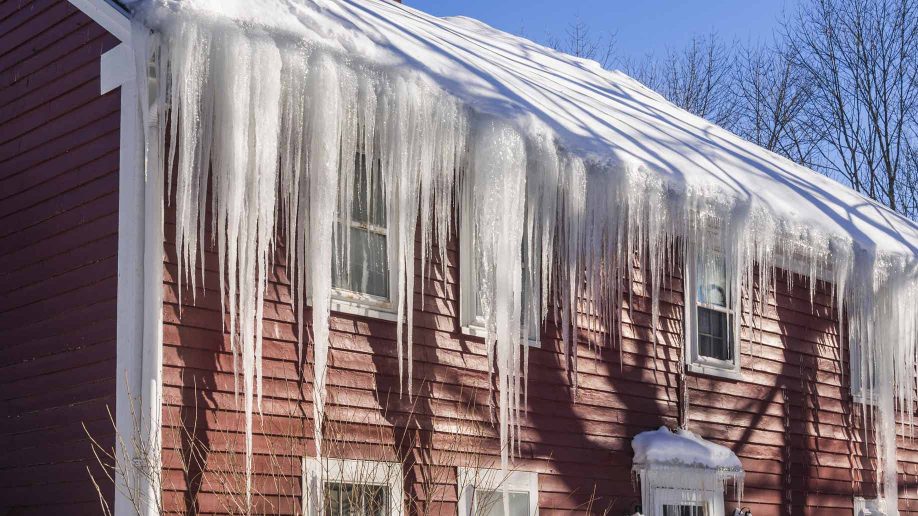
The Common Causes of Winter Roof Leaks

The winter season could be a difficult time in regards to home maintenance, particularly if you reside in a place in which snow and ice are common at this time of the season. In the time of the winter, you’ll need to deal with snow piling in your roof, icicles forming all around your house, and even frost which can make your walkways slippery. Among the most prominent problems which your roof could encounter during winter, however, are roof leaks. A roof leak is one thing no one desires to deal with, particularly in the midst of winter. Then again, those winter conditions could make a bad roof even worse.

Home maintenance problems are likely to show up during the most inconvenient periods. With regards to stopping roof leaks, it is vital to know very well what causes them to begin with. Even though snow and ice could definitely play a role in winter roof leaks, this is only one of the causes behind it. In this blog, we’re breaking down all the factors your roof is leaking during the winter.

Ice Dams

Ice Dams - The Common Causes of Winter Roof Leaks

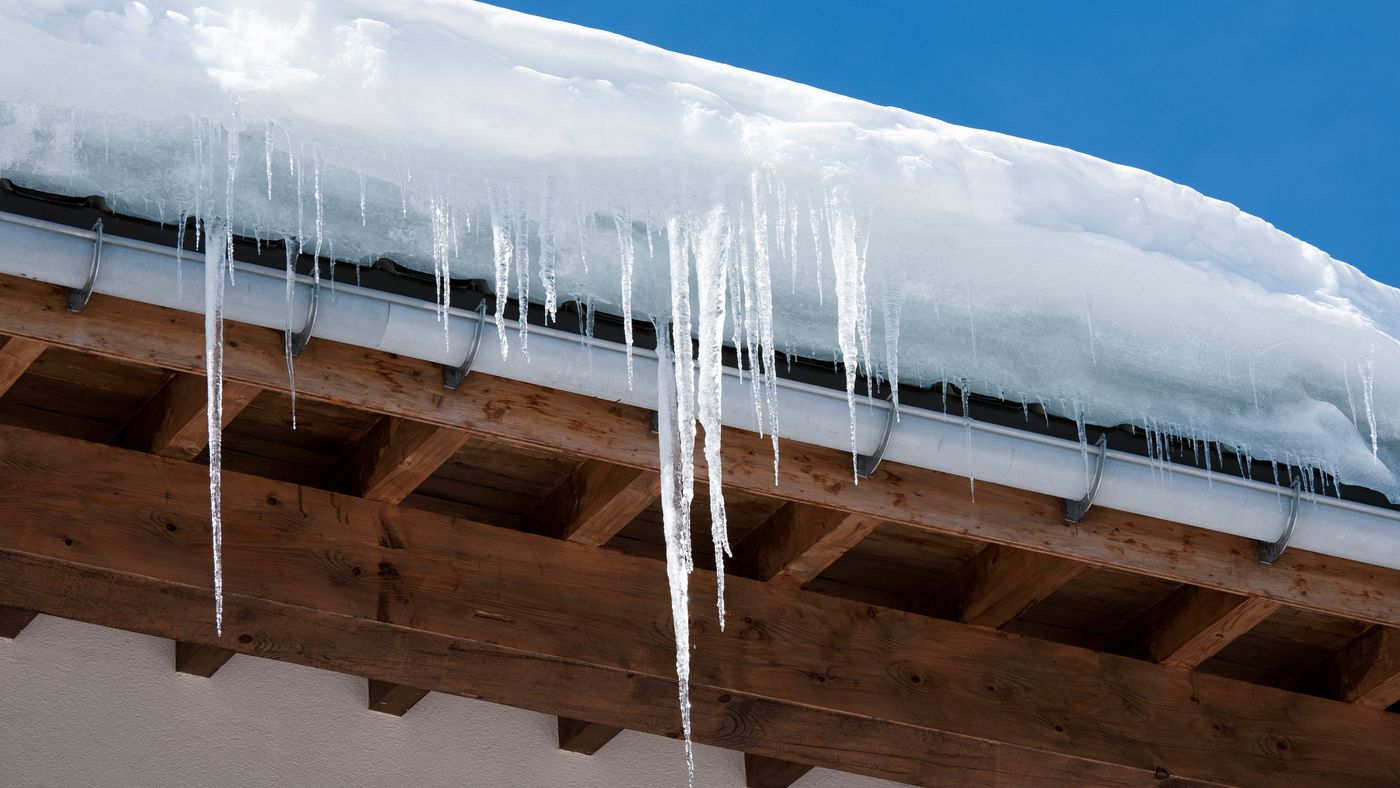
Ice dams are probably the most common cause of roof leaks throughout the winter. Ice dams are mounds of ice which form in a roof’s edge. Usually, ice dams are the consequence of bad attic insulation. If the attic isn’t insulated correctly, warm air will get away via the roof, resulting in the snow on top of it to melt. When the snow slides down, it would re-freeze in the colder fringe of the roof and, ultimately, a wall of ice will develop.

This kind of wall may prevent melted water from flowing from the roof and, rather, can cause it to pool at the center. As time passes, the standing water can start to leak through the roof and even make it collapse beneath the extra weight. To prevent this kind of damage, it’s vital that you insulate your attic correctly.

Condensation in Your Attic

Condensation in Your Attic - The Common Causes of Winter Roof Leaks

Yet another one of the most prevalent causes of roof leaks in the winter is attic condensation. Since heat from your house soars up into the attic and blends with the colder air from outdoors, moisture can build in your roof. Although the build up of condensation isn’t really a leak, it could drip down and lead to water damage in your house all the same. To avoid this kind of condensation from forming, ensure that you properly ventilate your roofing.

One fantastic way to fix most of these issues is to use liquid rubber paint to waterproof your roof and stop leaks. Look for a good roof waterproofing company in your area like this company that does roof waterproofing.

Cracked Flashing

Cracked Flashing - The Common Causes of Winter Roof Leaks

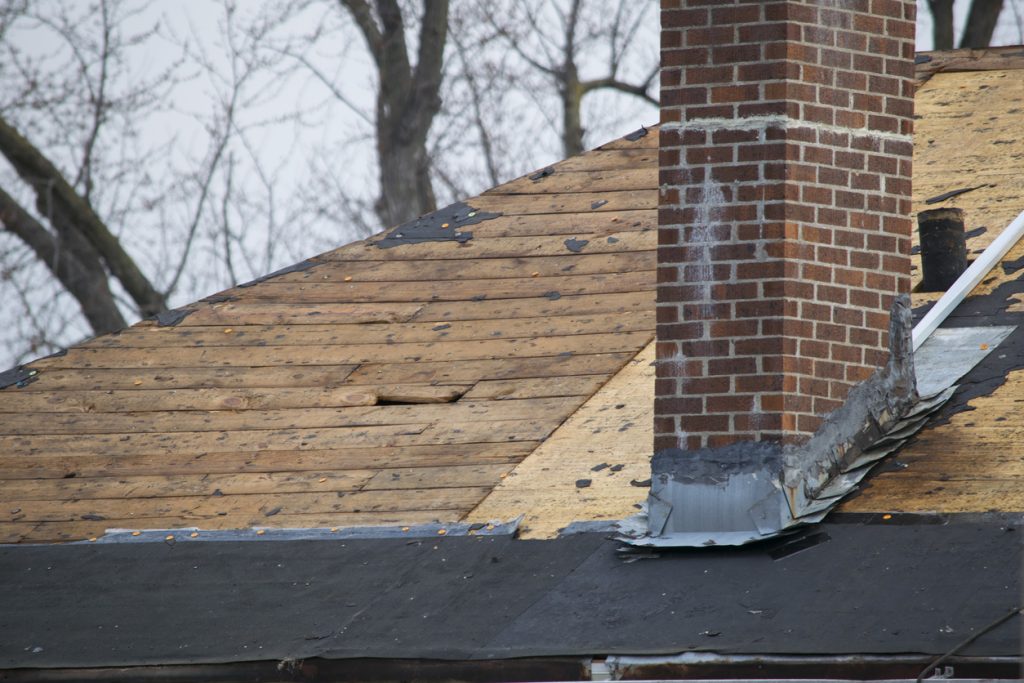
Flashing is usually attached to roofs in order to give improved protection towards leaks. Basically, it is a thin material, just like steel, that is put in place to direct water far from crucial regions on a roof, such as all over vents or chimneys. In the event that flashing gets cracked or perhaps damaged, water could possibly drip through and result in a leak. So as to avoid leaks in your house, examine your flashing every now and then to be able to make sure that it is in great condition.

Damaged Shingles

Damaged Shingles - The Common Causes of Winter Roof Leaks

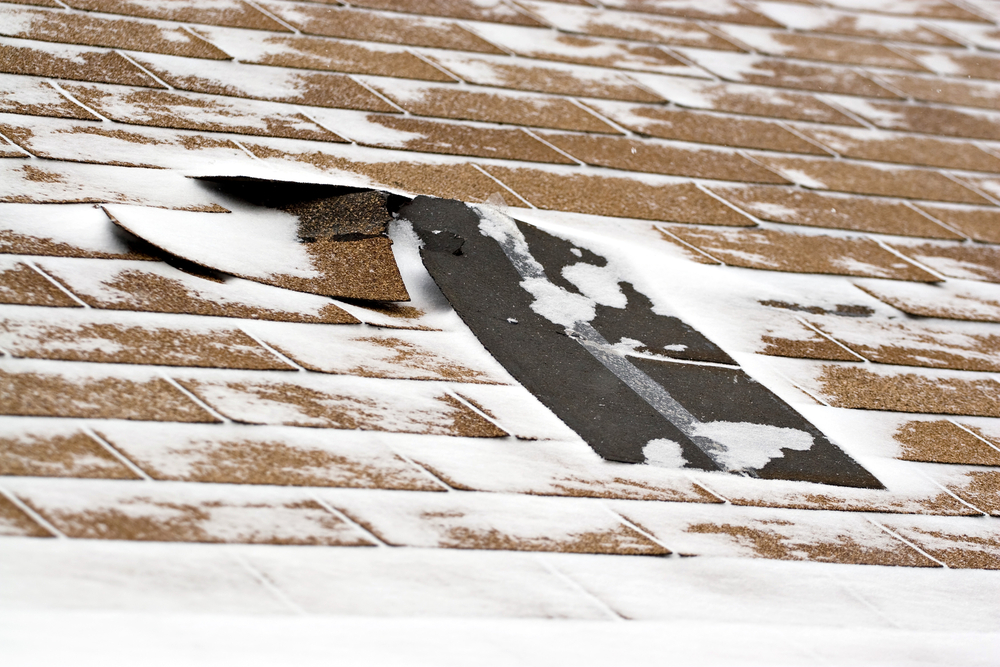
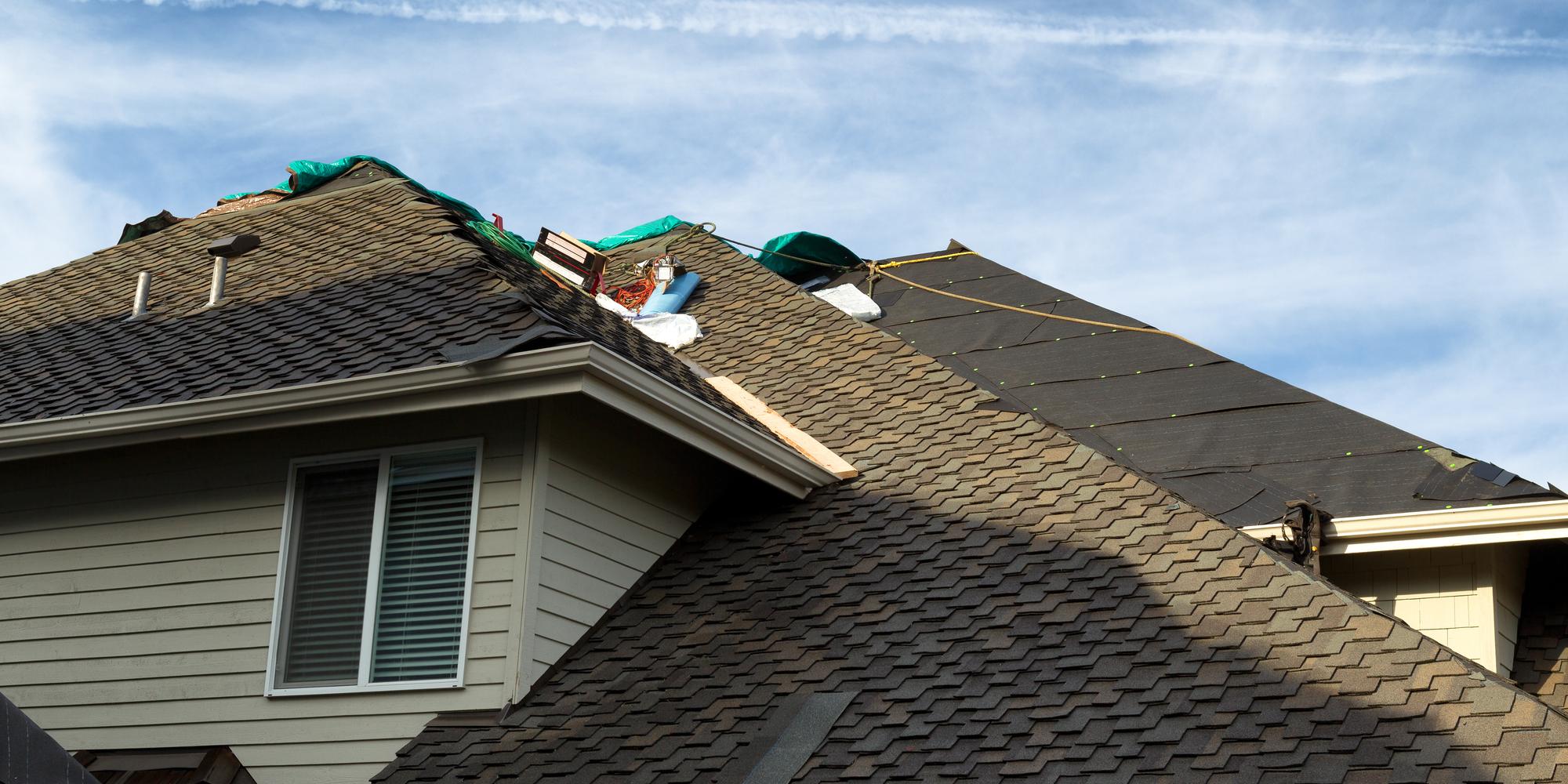
Old age, bad weather, as well as falling branches could all contribute to the damage of shingles as time passes. When this happens, melted snow as well as rain are likely to leak via any holes or cracks which form. Examining shingles for damage as well as fixing them right away will certainly help prevent dastardly roof leaks from taking place throughout the coldest season of the year.

Aluminium Gutters

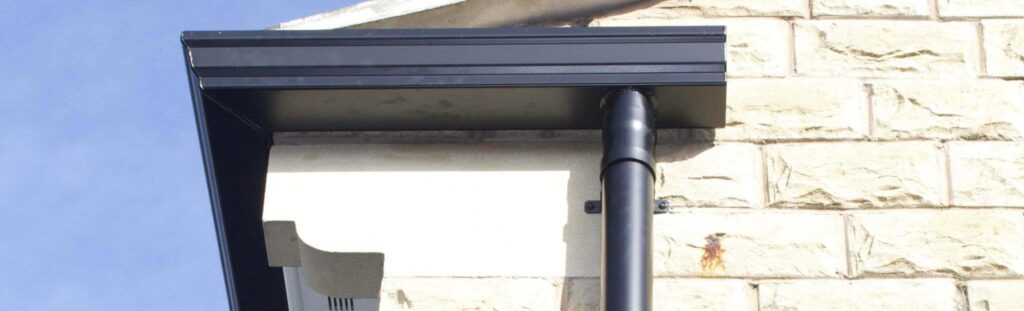
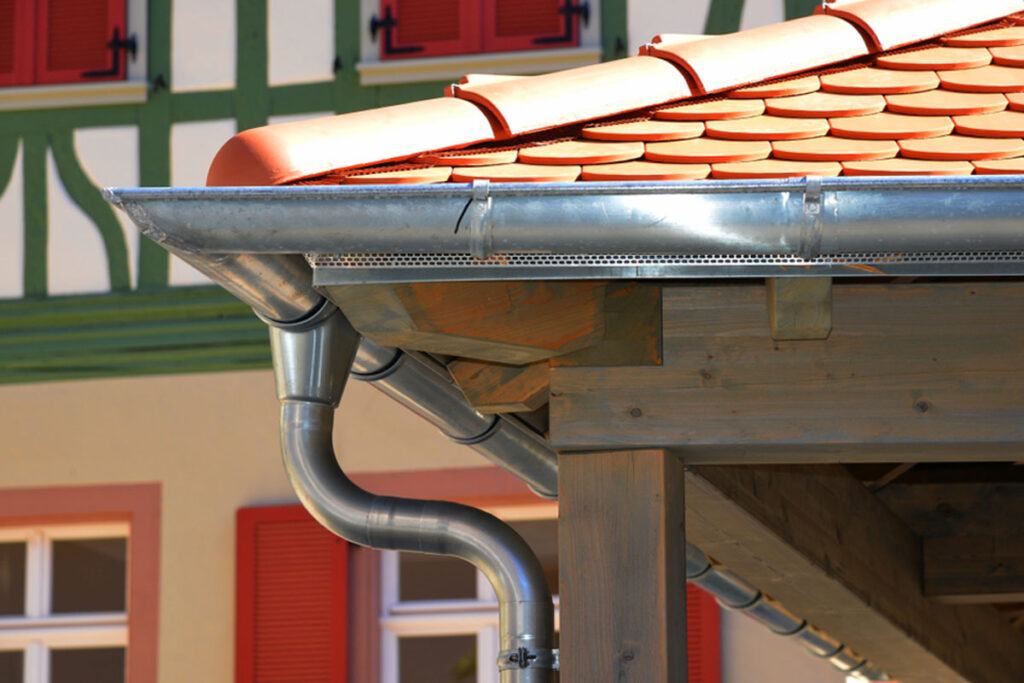
Guttering is one thing which is very important for every home, defending homes from the possible roof damage brought on by rainwater, however, with the amount of choices, it requires a little bit of planning in picking the right gutter system.

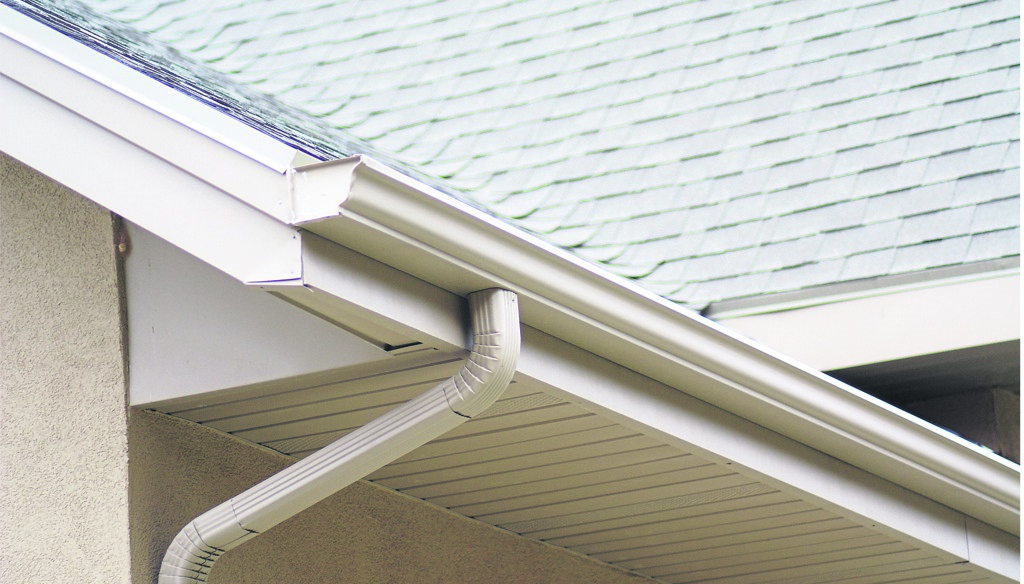
Aluminium gutters are a more durable, efficient way of protecting your business or home. It has instantly become the most famous rain water gutter system utilized to carry out a lot of commercial and residential needs. It is because of the number of advantages which aluminium guttering can offer in comparison to some other materials utilized for guttering such as steel, PVC as well as cast iron.

Having its low cost in comparison with other materials, light in weight, long durability as well as its availability in numerous various colors from purchase. It’s easy to know the reason why aluminium is getting its reputation as being the best option to be utilized for the rain water guttering system. Listed below are a number of benefits connected with aluminium gutter systems.

VISUALLY APPEALING

The physical appearance of aluminium is extremely neutral that makes it the perfect rainwater system material for a number of properties, such as commercial improvements as well as modern homes. The outside of your property can play a major part in deciding which materials are the best. Aluminium gutters won’t appear out of place on any house, no matter what the building’s exterior features.

DURABLE MATERIAL

Gutter System

Since aluminium won’t rust, it’s a great choice for a long lasting gutter system. Whenever replacing or installing a brand new rainwater system, you would like it to survive for many years. Aluminium is very durable, having a life span close to 30 years.

With that in mind, regular maintenance should still be done in order to protect the material.

A WIDE RANGE OF COLOURS

Aluminium gutters can be found in a broader selection of manufactured colors in comparison with other materials. Generally, rainwater systems made out of other materials need to be painted or are only accessible in a limited number of colours. Having aluminium gutters, just like the Designer 365 range, you could opt for a pre-made gutter coming from a variety of colors.

Aluminium is not at risk of color bleaching, which means that the colors won’t fade coming from long term direct exposure to the sun. For this reason, aluminium gutters maintain their appearance throughout their whole life span.

ALUMINIUM WILL NOT CRACK

Aluminium Gutter System

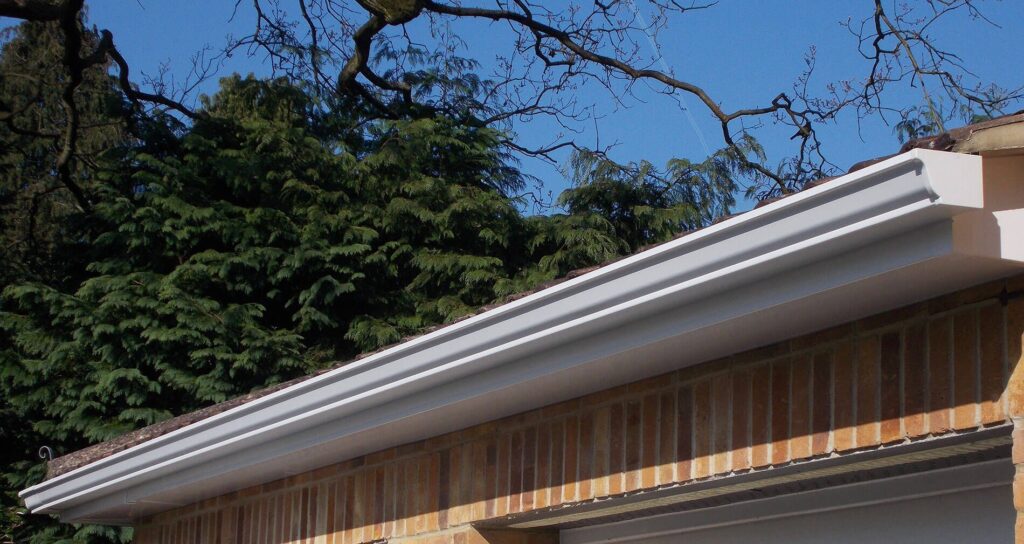
Aluminium gutters won’t shatter or crack whenever going through temperature changes. Aluminium usually is available in a continuous spouting form – there aren’t any joints, that helps prevent the appearance of cracks and leaks. A continuous spouting system makes sure that temperature changes as well as thermal expansion don’t have an effect on the rainwater system.

MINIMUM MAINTENANCE NEEDED

Other than the regular cleaning up of debris and leaves in the gutters, there is often little-to-no maintenance necessary. It is a welcomed advantage for homeowners since there is hardly any priming, painting, as well as protecting required to help keep the gutters performing properly.

VERY EASY TO INSTALL

Among the leading advantages of aluminium gutters is that they are extremely easy to install by yourself. There’s no need for any soldering the joints simply because it comes in a continuous form. Aluminium is extremely light in weight, which makes it very easy to carry as well as handle.

Having said that, we always advice that any kind of rainwater system should be installed by a qualified professional. It will make certain that the particular system is working correctly, that helps to avoid really expensive repairs.

The Importance of the Roof Underlayment

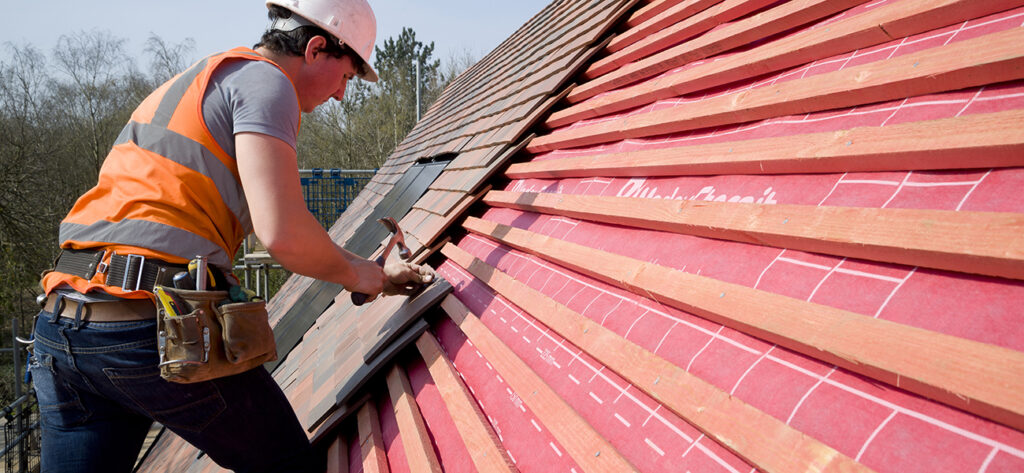
For a lot of homeowners, the roof is exactly what they see: the shingles, gutters and perhaps the flashing strips. Many are not aware that there’s more to the roof than what’s on the outside. One of those concealed parts is the underlayment. The roofing underlayment is a concealed but essential section of the roof which takes on a vital role in the general health and stability of the whole structure.

The Underlayment

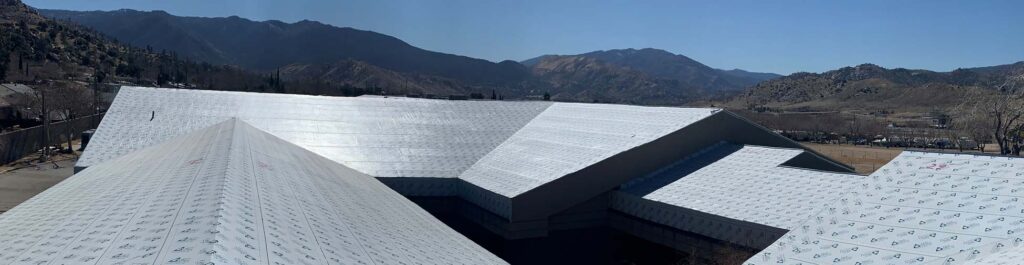
The underlayment is a water-resistant or waterproof buffer material which, as its label implies, is installed under the rest of the roofing materials. Its primary part is to function as an extra layer of defense against the weather, particularly water damage. Consider it as the final barrier which a leak should overcome right after it has been through everything else.

Types of Underlayment

Whenever it’s time to schedule roof replacement in your old roof, you’ll also have to change the underlayment. You’ve got 3 choices for underlayment: asphalt saturated, synthetic as well as rubberized asphalt underlayment.

Asphalt saturated is perhaps the oldest of the underlayment types and was the essential type till the arrival of the synthetic materials. Regardless of its lack of popularity, it’s still a dependable and strong underlayment having natural strength as well as water resistance. It’s also easily available, which makes it the most cost-effective of the three.

Non-bitumen synthetic underlayments changed the last underlayment style and it is now the most frequently utilized type for both commercial and residential roofs. You can imagine it as the direct update coming from asphalt saturated, due to its better water resistance and sturdiness. It’s also made so that it could be completely applied to the whole roof.

Lastly, there’s rubberized asphalt that is widely regarded as a premium underlayment material. It offers all of the advantages of asphalt-saturated as well as non-bitumen synthetic, however is also entirely waterproof as it has more asphalt and rubber polymer content.

Why is the roof underlayment so important?

The roof underlayment is a vital portion of your roofing system, even when it is not seen in the naked eye. The moment you think of your roof, shingles are probably to be the one thing which goes to your mind. However an underlayment is needed in order to protect your house coming from water damage. The roof underlayment is often a sheet of felt or synthetic material spread around the roof’s plywood deck prior to the shingles are installed.

The underlayment is an extra coating of protection and it is made to prevent rain and moisture from permeating the deck, that could lead to attic leaks and wood rot. However the underlayment doesn’t simply defend the deck coming from water, this also defends the wood from chemicals from the shingles. Heat coming from the sun’s rays could make shingles almost melt into the wood in case there isn’t underlayment place in between, leading to costly repairs. One more reason why underlayment is important is that, in case of shingles flying off the roof, your roof deck isn’t exposed right away. The underlayment will help protect the wood till you could install the lost roofing shingles.

For a few years, roofers and contractors utilized generally felt for roof installations however in modern days synthetic underlayment is utilized by the majority of roofing contractors. Synthetic underlayment is slimmer and lighter compared to felt, and far less difficult to install. It’s also considered to be more effective in stopping water leakage, however it’s more costly. Even so, due to its chemical make-up, it endures longer compared to felt so homeowners will see a greater return on investment.