
Loft insulation is one of those home improvements that is easy to ignore because it sits out of sight. You do not walk past it every day like a front door, and you do not notice it in the same way you notice a leaking gutter or a slipped tile. Still, for many London homes, the loft is where a surprising amount of comfort and energy efficiency is either protected or lost.
A well-insulated loft helps keep warm air inside the rooms below, reduces the pressure on the heating system, and can make the whole house feel more settled through the colder months. It is not only about adding insulation and calling the job done, though. The roof, ventilation, moisture levels and access around the loft all matter if you want the work to last.
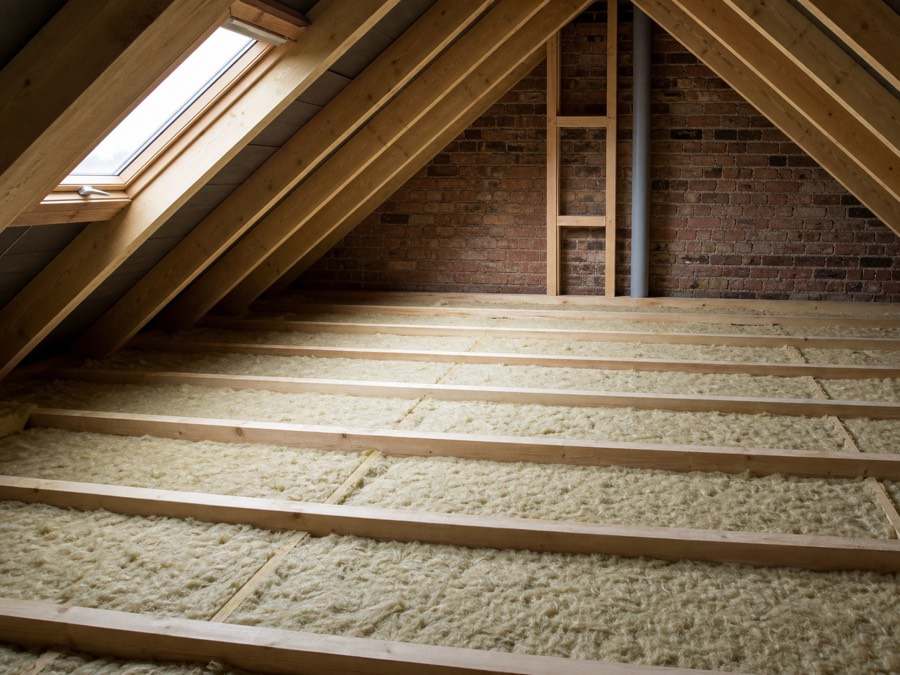
Heat Loss Starts at the Top
Warm air rises, which means an uninsulated or poorly insulated loft can let heat escape through the top of the house. In practical terms, that can leave bedrooms feeling colder, make the heating run for longer, and create rooms that never quite feel comfortable even when the radiators are on.
Good loft insulation works like a steady barrier. It slows heat movement, keeps the warmth where people actually live, and helps the home hold a more even temperature. For older London properties, especially houses with draughty roof spaces or patchy insulation, the difference can be noticeable.
The Roof Should Be Checked First
Before improving a loft, it is worth making sure the roof above it is sound. Insulation will not solve a leaking roof, cracked flashing or blocked guttering. In fact, if water is already getting in, new insulation can hide the problem for a while and then become damp, heavy and less effective.
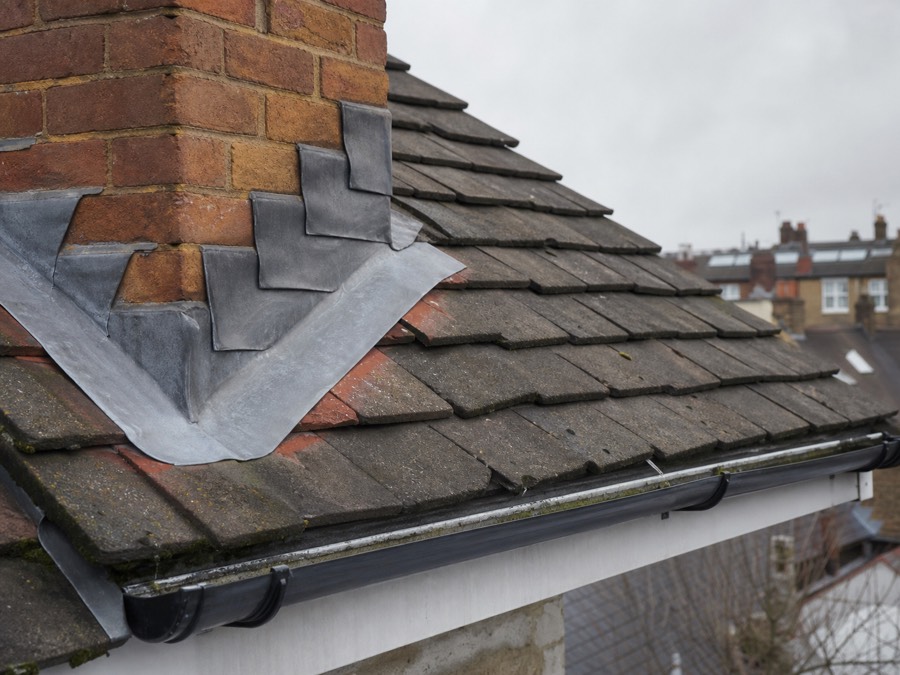
Tiles, flashing, valleys, chimneys and gutters all deserve a look. Small defects are often easier to deal with before the loft is full of fresh insulation. A dry, well-maintained roof gives the insulation a better chance of doing its job properly for years rather than months.
Ventilation Still Matters
It is natural to think that insulation means sealing everything up as tightly as possible, but a roof space still needs to breathe. Without enough airflow, moisture can build up in the loft. Over time, that can lead to condensation, musty smells, mould on timbers and insulation that no longer performs as it should.
The goal is balance: keep heat inside the living areas while allowing the roof space to stay dry and ventilated. That may mean checking existing vents, avoiding blocked eaves and making sure insulation is fitted neatly rather than pushed into every gap without thought.
Loft Rooms Need Extra Care
If the loft has been converted into a room, insulation becomes even more important. Sloped ceilings, roof windows and awkward corners can all create cold spots if they are not detailed properly. A finished loft should feel comfortable in winter without becoming stuffy or damp.
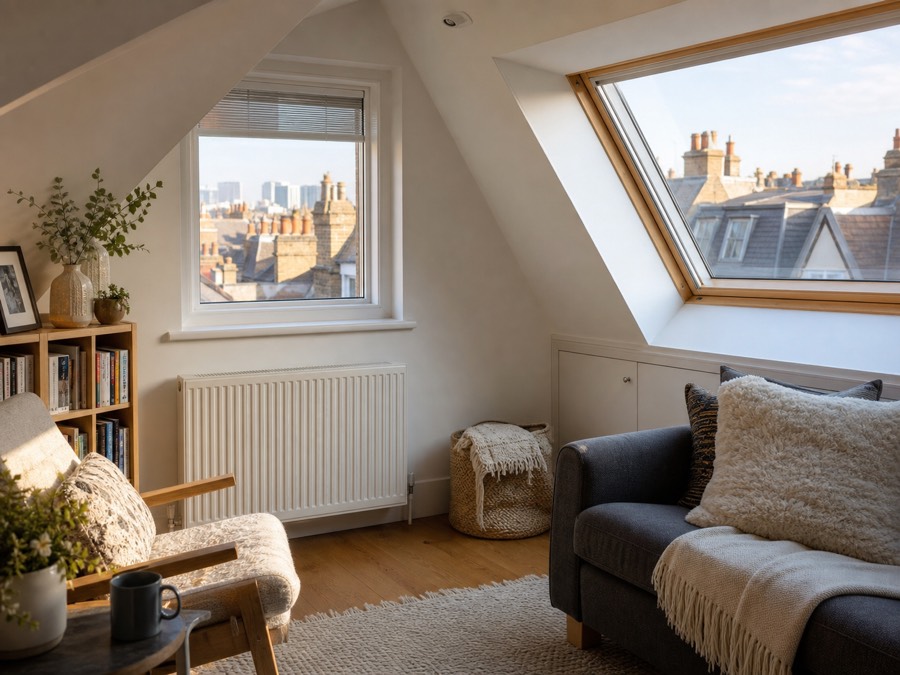
This is where workmanship makes a real difference. Insulation needs to sit where it should, gaps should be treated carefully, and roof ventilation should not be sacrificed for a quick finish. A loft room that is warm, dry and usable is usually the result of several details working together.
A Practical Upgrade for Everyday Comfort
Loft insulation may not be the most visible improvement, but it can be one of the most sensible. It helps reduce wasted heat, supports better energy efficiency, and makes the home feel calmer through cold weather. When it is paired with a roof that is in good condition and ventilation that has been properly considered, it becomes a quiet upgrade that pays back every day.
For London homeowners, the best starting point is simple: check the roof, look at the current insulation, and deal with any signs of damp or damage before adding more material. That way, the loft is not just covered. It is properly looked after.